
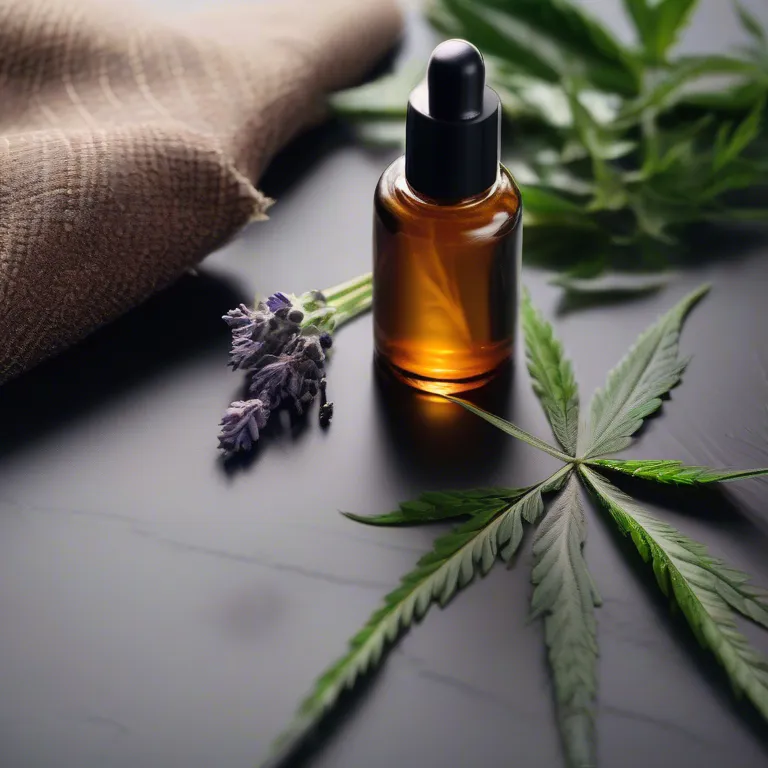
Understanding CBD Topicals: How They Work and Why They Matter
CBD topicals are concentrated formulations—typically creams, balms, oils, and roll-ons—designed to be applied directly to the skin. Unlike CBD oils or gummies, which are ingested and metabolized by the liver, topicals are formulated for localized action. This distinction is crucial because they bypass the digestive system, allowing the CBD to work primarily at the site of application.
The mechanism of action for topicals is called transdermal absorption. This process means the CBD penetrates the skin barrier and enters the bloodstream, providing therapeutic benefits directly where they are needed. Because the CBD is delivered locally, it can achieve higher concentrations at the target area compared to systemic absorption, making them ideal for specific, localized discomfort.
Topicals are most commonly utilized for managing physical symptoms. They are highly regarded for addressing muscle soreness, joint pain, and general inflammation. By applying the product directly to an affected area—such as knees, shoulders, or the back—users can benefit from the anti-inflammatory and analgesic properties of CBD.
It is important to understand that topicals are not a cure-all. Their effectiveness is highly dependent on the skin barrier integrity, the specific formulation, and the severity of the condition. They are best viewed as a powerful supportive treatment.
Buying Advice for Optimal Results:
When selecting the best CBD topicals, consider the following factors:
- Absorption Rate: Look for products that specify their absorption rate. Some formulations are designed for deeper penetration than others.
- Vehicle: The base of the product matters. Creams are often better for dry, irritated skin, while oils may be better for general muscle aches.
- Potency and Carrier: Always check the concentration of CBD (mg) and the carrier oils used, as these can affect how quickly and deeply the product penetrates.
By understanding the difference between oral and topical delivery, you can ensure you are choosing the right product for your specific pain points, maximizing the therapeutic benefit of CBD.
Comparing the Best CBD Topicals by Need and Formulation
The term "best" CBD topical is highly subjective, as the ideal product depends entirely on your specific goal—whether you are treating deep joint pain, soothing irritated skin, or simply seeking general relaxation. To narrow down your search, it is helpful to compare products based on their formulation and intended absorption method.
For Deep Muscle Aches and Joint Support (Oils and Balms): If your primary concern is deep, systemic discomfort, oils and rich balms are generally the most effective starting point. These formulations are designed to penetrate the skin barrier and deliver CBD into the underlying tissues. Look for products that list robust carrier oils, such as coconut oil, jojoba oil, or arnica, as these bases enhance the absorption rate of the CBD. These are ideal for large areas of the body, such as knees, shoulders, or back.
For Localized Skin Irritation and Inflammation (Creams and Gels): When the issue is more superficial—such as eczema, dry skin, or localized inflammation—creams and gels are superior. These formulations often contain thicker, more emollient bases that lock moisture into the skin while delivering CBD. They are designed for targeted, visible relief and are less greasy than heavy oils.
For Portability and Quick Relief (Roll-ons): CBD roll-ons are excellent for convenience and immediate application. They are perfect for travel or for treating specific, easily accessible points of pain (like the temples or wrists). Because they are highly concentrated and designed for quick absorption, they offer immediate, on-the-go relief, making them a great choice for active lifestyles.
Buying Advice: Matching Product to Need When making your purchase, always consider the concentration (mg per application) relative to the size of the area you are treating. If you are treating a large area, you may need a higher overall potency or a product designed for deep penetration. If you are treating a small, sensitive area, a lighter cream or gel is better. Always check the ingredient list to ensure the carrier oil matches your skin type—some oils can be drying, while others are highly moisturizing.
Key Factors to Consider When Choosing CBD Topicals
Choosing the right CBD topical can feel overwhelming because the market is saturated with products, each making different claims. Instead of focusing solely on the brand name, adopt a checklist approach and evaluate the product based on these key factors. Understanding these elements will help you select a topical that genuinely meets your needs.
1. Absorption Rate and Formulation: Not all topicals are created equal. The effectiveness of a CBD topical hinges on its ability to penetrate the skin and reach the underlying tissues. Look for formulations that include synergistic ingredients—these are often called "enhancers." Ingredients like arnica, capsaicin, or specific oils are added to boost the skin's permeability, ensuring the CBD actually gets where it needs to go. If the product is simply a carrier oil, its absorption rate might be limited.
2. Concentration and Dosage: Always check the concentration listed on the label. Some products list the total amount of CBD, while others list the percentage. Be sure to understand the difference between the CBD concentration and the total volume of the product. For targeted relief, a higher concentration of CBD relative to the carrier oil is generally preferred. If you are unsure of the optimal dose, start with a lower concentration and work your way up.
3. Delivery System and Application: The physical format matters. Are you using a cream, balm, roll-on, or oil?
- Creams/Balms: These are often thicker and provide a more sustained, localized application.
- Roll-ons: These offer convenience and are excellent for quick, targeted application on smaller areas.
- Oils: These are generally the easiest to absorb but may not provide the same deep penetration as a thicker balm.
4. Supporting Ingredients and Potential Interactions: Don't overlook the supporting cast. The carrier oil itself can affect how the CBD is absorbed. Furthermore, if you are taking other medications, check the product's ingredients list for any potential interactions. A good topical should ideally be formulated to complement your overall wellness routine, not complicate it.
Buying Advice: When comparing products, always look for third-party lab reports. These reports provide unbiased proof of the product's actual CBD content, ensuring the brand is making accurate claims.
CBD Topicals for Specific Ailments (Use-Case Deep Dive)
The beauty of CBD topicals is their targeted approach; they aren't just "CBD"—they are solutions designed to address specific areas of discomfort. Instead of buying a product just because it's CBD, consider what problem you are trying to solve.
For Joint Pain and Arthritis: If your primary concern is stiffness and chronic joint pain, look for formulations that emphasize anti-inflammatory action. Ingredients like turmeric, arnica, and ginger are often paired with CBD to enhance circulation and reduce swelling. When shopping, prioritize creams or balms that are designed for deep penetration, as these formulations are formulated to reach the deeper tissues rather than just sitting on the surface.
For Muscle Soreness and Recovery: After a workout or long day, muscle soreness is a common complaint. Here, the goal is often rapid absorption and cooling relief. Look for topical oils or muscle rubs that incorporate cooling agents like menthol or peppermint alongside CBD. These ingredients provide immediate, noticeable relief, making them excellent for acute soreness.
For Skin Irritation and Eczema: When the skin is the focus, the product needs to be gentle and hydrating. CBD topicals for skin should prioritize barrier repair. Look for formulations containing colloidal oatmeal, shea butter, or hyaluronic acid. These ingredients soothe the skin and help restore its natural moisture barrier, making them ideal for dry patches, eczema, or general irritation.
For General Inflammation and Overall Wellness: If you are using the topicals for general, widespread inflammation (such as in the neck or shoulders), a versatile, high-potency cream is best. These products often contain a blend of ingredients—like magnesium for muscle relaxation and CBD for systemic support—making them good all-purpose remedies.
Buying Advice: When choosing a topical, always check the concentration (mg of CBD per application) and the carrier oil. A higher concentration means a stronger dose, while the carrier oil determines how well the product is absorbed. If you have sensitive skin, opt for products labeled "paraben-free" and "vegan" to minimize potential irritants.
Frequently Asked Questions About CBD Topicals
Q: How do CBD topicals actually work, and how much do I absorb? A: Unlike CBD oils meant for ingestion, topicals are designed to deliver cannabinoids directly to the skin and underlying tissues. The primary mechanism of action is localized absorption. While the skin is a complex barrier, the CBD molecules penetrate the epidermis and interact with the body's endocannabinoid system (ECS) in the area of application. This means the benefits are often felt locally—reducing inflammation, soothing joint pain, or calming skin irritation—rather than providing systemic relief throughout the body. The degree of absorption depends heavily on the formulation (e.g., penetrating oils vs. creams) and the specific area of application.
Q: Are CBD topicals safe to use daily, and are there any side effects? A: For most people, CBD topicals are very safe when used as directed. They are generally well-tolerated. However, like any topical product, they can cause irritation, especially if you have sensitive skin. Always perform a patch test on a small, inconspicuous area (like the inner elbow) before applying the product widely. If you are taking prescription medications, it is crucial to consult your doctor, as CBD can interact with various drugs.
Q: What should I look for when choosing the "best" CBD topical? A: Don't assume that "CBD" is the only active ingredient. The quality and efficacy of a topical depend on the entire formulation. When shopping, look for these key indicators:
- High Concentration: Check the percentage of CBD listed.
- Carrier Oils/Ingredients: Look for natural, complementary ingredients (like arnica, menthol, or vitamin E) that enhance absorption and boost the overall therapeutic effect.
- Third-Party Testing: Always ensure the brand provides Certificate of Analysis (COA) reports. This verifies that the product contains the stated amount of CBD and is free from heavy metals, pesticides, and contaminants.
Q: How do I apply them for maximum benefit? A: Consistency is key. Apply the product directly to the affected area, massaging it gently into the skin until it is fully absorbed. For maximum benefit, follow the product's recommended frequency—some products are best used twice daily, while others are designed for continuous application. Remember that massaging the area helps stimulate blood flow, which aids in the absorption process.
Final Buying Advice: Choosing Your Perfect CBD Topical
Making the right choice among the myriad of CBD topicals can feel overwhelming. The market is saturated with products, each promising relief for different ailments. To simplify your decision, remember that there is no single "best" product; the perfect topical is the one that matches your specific needs, lifestyle, and budget.
To narrow down your search, focus on three critical factors: concentration, delivery method, and intended use.
1. Understand Your Need (The "Why"): Are you targeting deep joint pain, localized muscle soreness, or general skin inflammation? Different formulations are designed for different depths of penetration. For deep, chronic pain, look for products with higher concentrations and ingredients known for deep absorption (like arnica or turmeric). For general wellness or superficial skin irritation, lighter, more easily absorbed oils might suffice.
2. Evaluate the Delivery System (The "How"): CBD topicals come in various forms—creams, balms, oils, and roll-ons.
- Creams/Balms: Ideal for thicker, more intense application, often used for joints or large muscle groups.
- Oils: Best for general, quick absorption and are excellent for massage.
- Roll-ons: Perfect for portability and targeted, precise application (like behind the ears or on specific pressure points).
3. Prioritize Quality and Transparency (The "What"): Always check the label for third-party testing. A reputable brand will provide Certificates of Analysis (COAs) detailing the CBD concentration, the presence of unwanted contaminants (like heavy metals), and the ratio of other cannabinoids (like CBG or CBN). Don't just buy the highest dose; buy the highest quality dose.
Actionable Buying Checklist:
- Start Small: If you are new to CBD, begin with a lower-concentration product to gauge your body's response.
- Consider Synergy: Look for products that combine CBD with other natural anti-inflammatories, such as ginger, peppermint, or magnesium, to boost overall efficacy.
- Patch Test: If you have sensitive skin, always perform a patch test on a small, inconspicuous area first.
By matching your symptoms to the product's formulation, you move beyond simply buying a product and start investing in a targeted solution. By following these guidelines, you can confidently select a CBD topical that genuinely supports your wellness goals.
