
Understanding CBD Oil: What to Look For Before You Buy
Before you commit to a bottle of CBD oil, it’s essential to understand what you are actually buying. Cannabidiol (CBD) is a non-psychoactive compound derived from the cannabis plant. Unlike THC, which is known for its "high," CBD is primarily studied for its potential to support overall wellness, particularly in managing symptoms of anxiety, promoting restful sleep, and reducing inflammation and discomfort.
To understand how CBD works, you need to know about the body’s internal system: the Endocannabinoid System (ECS). This complex system plays a role in regulating various bodily functions, including mood, sleep, and immune response. CBD is believed to interact with the receptors within the ECS, helping to restore balance and support the body’s natural equilibrium.
However, not all CBD products are the same. Understanding the different formulations is the most critical step in making an informed purchase.
The Three Main Types of CBD:
- Full Spectrum: These oils contain CBD along with other beneficial compounds found in the whole cannabis plant, such as terpenes and minor cannabinoids. This "entourage effect" is often cited as maximizing the overall benefits.
- Broad Spectrum: These products contain CBD and a curated selection of other beneficial compounds, but they are often more refined than full spectrum, making them ideal for those who want the benefits of the whole plant without the full range of compounds.
- CBD Isolate: This is the purest form, containing only CBD. If you are looking for a highly standardized dose or are using CBD for a specific, targeted condition, the isolate might be the best choice.
Buying Advice: What to Check First
When shopping for CBD oil, don't just look at the price. Always check for third-party lab reports. These reports are crucial because they verify the product's potency, confirm the actual CBD content, and ensure the oil is free from harmful contaminants like heavy metals, pesticides, and excessive THC. By understanding the science and the different formulations, you can choose the product that best aligns with your specific health goals.
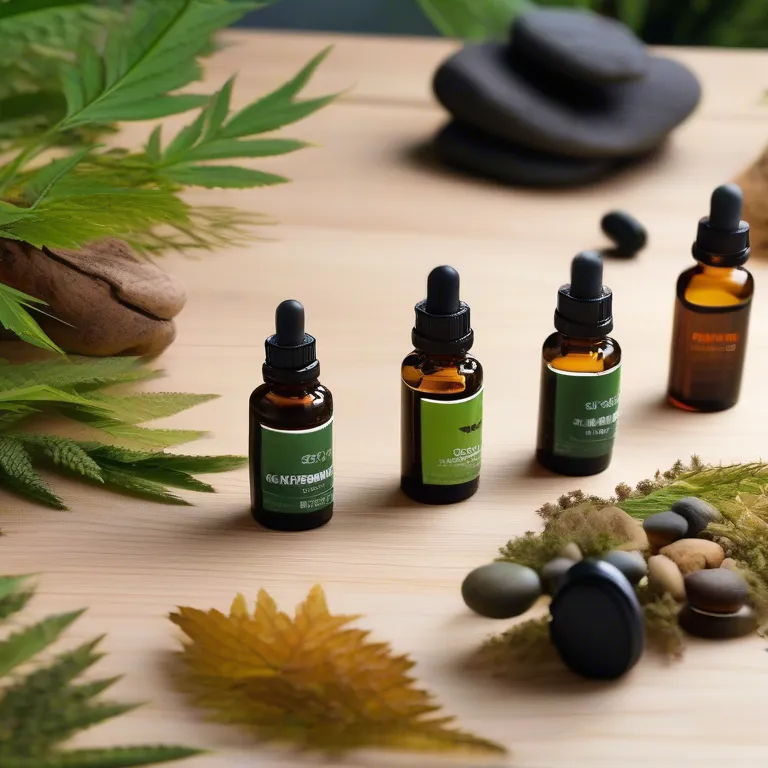
The Buyer's Checklist: How to Choose the Perfect CBD Oil
Choosing the right CBD oil can feel overwhelming, as the market is flooded with options. To ensure you get the most value and efficacy, approach your purchase like a connoisseur. Here is a practical checklist to guide your decision.
Understanding the Spectrum: Strains and Synergy Don't assume CBD is the only player. Different cannabinoids offer unique benefits. While CBD is the most recognized, consider incorporating other strains:
- CBG (Cannabigerol): Often touted for its potential anti-inflammatory properties.
- CBN (Cannabinol): Frequently used for its sedative effects, making it ideal for sleep support.
- Full-Spectrum: These oils contain a wide range of compounds, offering a synergistic "entourage effect" that many believe enhances overall potency.
The Foundation: Carrier Oils and Potency The carrier oil dictates the oil's absorption rate and overall feel. Hemp oil is often preferred for its natural compatibility with the plant, while coconut oil provides a rich, moisturizing base. Always check the label for the total concentration of CBD (measured in milligrams, or mg). Higher concentration doesn't automatically mean better, but it allows for more precise dosing.
Dosage and Usage: Finding Your Sweet Spot There is no single "perfect" dose. Start low and go slow. Most reputable brands provide suggested starting doses based on the intended use (e.g., anxiety vs. muscle soreness). If you are new to CBD, begin with a smaller dose and gradually work your way up over a week to gauge your body's optimal response.
Buying Advice: What to Look For When comparing products, prioritize transparency. Look for oils that provide third-party lab reports (Certificate of Analysis, or COA). This documentation confirms the product's purity, verifies the CBD content, and ensures it is free from heavy metals and contaminants. Always check the source: buying locally or from a reputable online retailer ensures you are getting a product that is both high quality and genuinely effective.
Finding CBD Oil Near Me: Local Sources and Buying Options
When searching for "CBD oil for sale near me," you are looking for immediate convenience and reliable local sourcing. Your best options generally fall into two categories: physical local dispensaries and reputable online retailers. Understanding the pros and cons of each is key to making an informed purchase.
Local Dispensaries and Shops Buying from a physical dispensary or local wellness shop offers the immediate benefit of hands-on interaction. You can speak directly with staff, sample products, and often receive personalized advice. This is ideal for beginners who need guidance or those who want to verify the product's authenticity in person. The downside is that selection can be limited, and prices may sometimes be higher due to overhead.
Online Retailers Online purchasing offers unparalleled convenience and a massive selection of brands and potencies. You can easily compare multiple products and read extensive reviews. This method is best for experienced users who know exactly what they want or who are looking for specialized, high-potency products not available locally. However, you lose the ability to physically inspect the product, making due diligence even more critical.
Buying Advice: Which Source is Right for You?
- For Beginners: Start local. Visit a dispensary to get expert advice and compare products in person.
- For Advanced Users: Go online. Use the internet to compare prices, read scientific data, and access a wider variety of strains and formulations.
The Essential Due Diligence Checklist Regardless of where you buy, never assume quality. Always ask these questions to ensure you are getting a safe, effective product:
- What is the source of the hemp? (Ideally, it should be organically grown and sustainably harvested.)
- Is the product third-party tested? (Never accept "in-house" testing; demand independent lab reports.)
- What is the Certificate of Analysis (COA)? (This report confirms the CBD concentration, potency, and, crucially, the absence of heavy metals, pesticides, and contaminants.)
- What is the full spectrum? (Confirm if the oil is full-spectrum, broad-spectrum, or isolate, as this affects the overall therapeutic profile.)
CBD Oil Myths vs. Facts: Safety, Legality, and Side Effects
When considering buying CBD oil, the sheer volume of claims can be overwhelming. To build trust and ensure you are making an informed purchase, it is crucial to separate the hype from the science. Understanding the safety profile, legal landscape, and potential interactions is the most important step in your wellness journey.
Navigating the Legal Landscape The legal status of CBD is complex because it is governed by multiple levels of government. Federally, the 2026 Farm Bill legalized hemp and its derivatives, including CBD. However, legality can vary significantly at the state and local levels. Always confirm that the product you are buying is compliant with both federal law and your specific state regulations. When shopping for "CBD oil for sale near me," look for retailers that can provide documentation regarding their sourcing and testing protocols.
Understanding Safety and Side Effects While generally considered safe, CBD is not a magic bullet and can interact with various medications. The most common side effects are mild and include dry mouth, drowsiness, and gastrointestinal upset. More critically, CBD can affect how your liver processes other drugs, potentially altering the effectiveness of medications like blood thinners, anti-seizure drugs, and antidepressants.
Dosage and Professional Guidance There is no single "perfect" dose for everyone. Safe dosage is highly individualized and depends on your specific condition, body weight, and metabolism. Never assume a higher dose equals better results. Always start low and go slow. Before committing to a regimen, especially if you are already taking prescription medications, consulting your primary care physician or a certified herbalist is non-negotiable. They can help you identify potential drug interactions and recommend a safe starting point.
Buying Advice: What to Look For When purchasing CBD oil, always prioritize transparency. Look for products that provide third-party lab reports (Certificate of Analysis, or COA). This report verifies the product's actual CBD concentration, confirms the absence of heavy metals, and ensures it is free from unwanted contaminants. Never buy a product based solely on marketing claims; demand the data.
Frequently Asked Questions (FAQ)
Is CBD oil safe for pets? Yes, CBD oil is generally considered safe for pets, but dosage is crucial. Since pets metabolize compounds differently than humans, it’s essential to start with a very low dose and work up slowly. Always consult your veterinarian before giving CBD to your pet, as they can recommend the appropriate dosage based on your pet's weight and specific condition. Look for pet-specific CBD products to ensure the formulation is optimized for canine or feline absorption.
How long does CBD oil last, and how quickly do I feel the effects? The duration of effects depends heavily on the specific product, the dosage, and your body's metabolism. Generally, CBD oil is absorbed into the bloodstream and can provide effects that last anywhere from a few hours to a full day. For immediate relief, some users find that higher concentrations or different delivery methods (like sublingual drops) provide a faster onset. Always follow the recommended dosing schedule provided by the manufacturer to maintain consistent relief.
What is the difference between CBD and THC? This is one of the most common questions. CBD (cannabidiol) is a non-psychoactive compound, meaning it provides therapeutic benefits without causing a "high." THC (tetrahydrocannabinol) is the primary psychoactive compound found in cannabis, responsible for the intoxicating "high." Many products contain both, offering a blend of relaxation (CBD) and euphoria (THC). If you are sensitive to getting high, look for products labeled as high-CBD, low-THC.
Do I need to check for third-party testing? Absolutely. The CBD market is vast, and product quality can vary wildly. Always look for brands that provide third-party lab reports (Certificate of Analysis or COA). These reports verify that the product contains the stated amount of CBD, confirm the absence of heavy metals, and ensure it is free from contaminants. This is the most critical step in ensuring you are getting what you pay for.
How do I know if I'm getting the right product? When shopping for CBD oil for sale near me, don't just look at the price. Focus on the following buying criteria:
- Source: Is it derived from hemp or marijuana? (Hemp is generally preferred for its lower THC content).
- Extraction Method: Look for reputable brands that use proven extraction methods.
- Carrier Oil: Some oils are better absorbed than others.
- Dosage Clarity: The label must clearly state the milligrams of CBD per dose.
By prioritizing transparency and third-party verification, you ensure both efficacy and safety.
Final Buying Advice: Making the Right CBD Investment
Buying CBD oil can feel overwhelming because the market is saturated with options. To ensure you get the most value and efficacy, approach your purchase like an investment. Don't just buy the cheapest bottle; buy the right bottle for your specific needs.
Choosing Your CBD Profile: A Quick Guide
To simplify your decision, consider what you are primarily treating or improving.
| If you need... | Focus on... | Best CBD Profile |
|---|---|---|
| General Wellness/Stress | Broad spectrum support and relaxation. | Full Spectrum or Broad Spectrum |
| Sleep/Anxiety | Calming effects and deep rest. | High CBD, lower THC (or specific calming strains) |
| Joint Pain/Inflammation | Anti-inflammatory properties. | CBD combined with other natural oils (e.g., turmeric, arnica) |
| Maximum Potency/High Effect | The strongest possible dose. | Isolate or High-Potency Full Spectrum |
Your Step-by-Step Purchasing Plan
- Identify Your Goal: Be specific. Are you managing daily stress, or are you treating acute pain? Your goal dictates the required potency and spectrum.
- Determine Your Delivery Method: Do you need fast-acting relief (sublingual oil) or sustained, long-term support (edibles or tinctures)?
- Check the Ratio: Never assume "CBD" means the same thing. Understand the ratio of CBD to THC, and if other cannabinoids (like CBG or CBN) are included, as these can affect the overall effect.
- Consult a Professional: If you are taking other medications, always consult your doctor or a certified herbalist first.
The Buyer’s Essential Checklist (Do Not Skip These Steps)
Before you finalize the purchase, run through this non-negotiable checklist to protect your health and your wallet:
- ✅ Third-Party Lab Testing: This is the most critical step. Always demand Certificate of Analysis (COA) reports from independent, third-party labs. This verifies the actual CBD content and ensures the product is free of heavy metals, pesticides, and contaminants.
- ✅ Source Verification: Ask where the hemp was grown. Reputable sellers will specify their sourcing (e.g., organic, local, specific state).
- ✅ Dosage Clarity: Ensure the label clearly states the milligrams (mg) of CBD per dose, not just the total bottle strength.
- ✅ Expiration Date: Check the bottle. CBD products, like all oils, degrade over time.
By following this structured approach, you move beyond simply buying a product and start making a genuinely informed health investment.
Related Posts
- Unlock the Benefits: How to Find the Best Cheap CBD Oil for Your Cannabinoid Journey
- Unlocking Wellness: The Complete Guide to Dr. Gundry CBD Gummies – Reviews, Benefits, Side Effects, and User Feedback
- Deciphering the Science of Cannabidiol: What It Means for Users and Science
- Reclaiming Your Nights: A Comprehensive Guide to Natural Sleep Support with CBD
- Unlocking Peak Performance: A Guide to Choosing the Right Testosterone Booster Gummies for Men
