
Local vs. Online: Mapping Your Best CBD Source
Deciding where to purchase CBD oil—whether from a physical storefront or a digital retailer—is often the biggest hurdle for new users. There is no single "best" answer; the ideal source depends entirely on your priorities: do you value immediate expert advice, or do you prioritize selection and price? Understanding the pros and cons of both models is key to making an informed purchase.
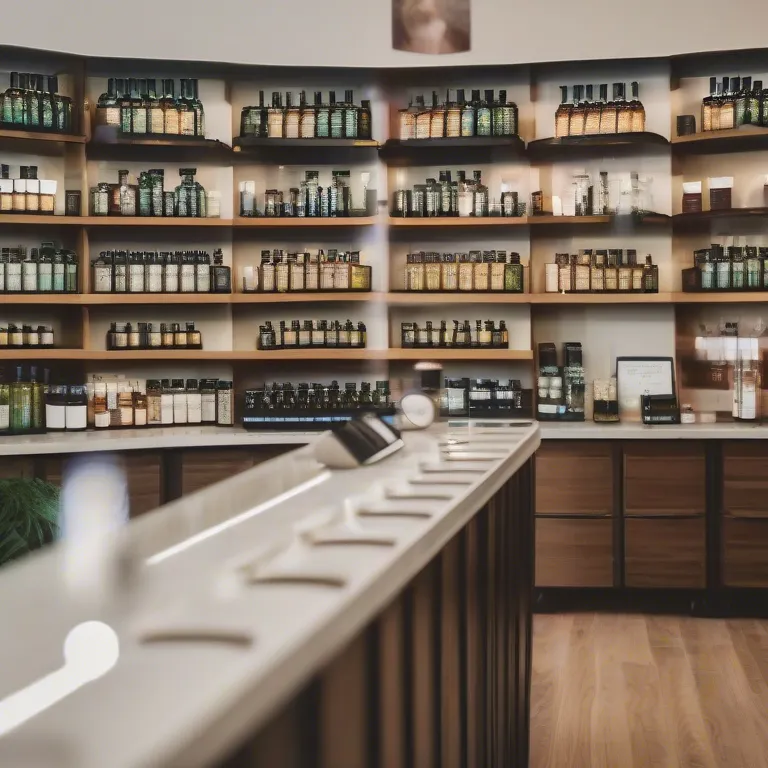
The Local Dispensary Experience Buying locally offers the immediate advantage of human consultation. A reputable physical dispensary allows you to speak directly with knowledgeable staff, ask detailed questions about potency, and understand the specific cannabinoid profiles (like CBD:CBG ratios) that suit your needs. This hands-on approach builds trust and allows you to physically inspect the product. However, local options can sometimes be limited in terms of strain variety, and pricing can vary significantly based on local overhead and regulations.
The Online Retailer Advantage Online retailers shine when it comes to scale and selection. They provide access to a vast global inventory, allowing you to compare dozens of brands and formulations side-by-side. This platform is excellent for price comparison and finding niche products that aren't available in your immediate area. The trade-off, of course, is the lack of immediate physical interaction. You must rely heavily on detailed product descriptions, third-party lab reports, and customer reviews to make your decision.
Making the Right Choice If you are a beginner or are dealing with complex health goals, starting local for a consultation is highly recommended. If you are an experienced user, or if you know exactly what you want and are focused on maximizing value, shopping online is often the more efficient route.
Local Search Checklist: How to Vet Your Source Regardless of whether you choose local or online, always perform these checks to ensure quality:
- Google Maps Integration: Check for recent reviews and photos of the physical location.
- Local Dispensary Directories: Use state-specific or regional directories to verify licensing and compliance.
- Third-Party Lab Reports: For online purchases, always demand and verify the Certificate of Analysis (COA) to confirm potency and purity.
- Brand Reputation: For both local and online, look for brands that are transparent about their extraction methods and sourcing.
Choosing Your CBD: Understanding Product Types and Potency
When you are searching for "where to buy CBD oil near me," you are likely faced with a confusing array of products. The market offers far more than just oil; it includes gummies, tinctures, creams, and more. Understanding the different forms is the most critical first step in ensuring you buy a product that meets your specific needs.
Understanding the Forms
- CBD Oils and Tinctures: These are highly concentrated liquid extracts, often taken sublingually (under the tongue) or mixed into capsules. They are excellent for precise dosing and are ideal for those who prefer a liquid format.
- CBD Gummies and Edibles: These are convenient, flavored options that are often easier for beginners or those who struggle with taking liquids. However, because they are ingested, their effects can take longer to kick in and last longer than oils.
- CBD Creams and Balms: These are topical applications designed for localized relief, such as sore muscles or dry skin. They are not meant for systemic absorption but for direct application.
Beyond the Form: Key Buying Metrics
Once you know what form suits your lifestyle, you must focus on the quality metrics. Never buy based solely on the price.
- Potency and Dosage: Potency refers to the concentration of CBD in the product. Always check the label to understand the milligrams (mg) per dose. If you are new to CBD, start with a lower dose and work your way up.
- Full-Spectrum vs. Isolate: Full-spectrum products contain CBD along with other beneficial compounds found in the hemp plant (like CBG and terpenes). CBD isolate is pure CBD. Full-spectrum is often preferred because the synergistic effect of the whole plant is believed to enhance the overall therapeutic benefit.
- Third-Party Testing: This is arguably the most important factor. Always look for products that provide Certificates of Analysis (COAs) from independent, third-party labs. These reports confirm the product's actual CBD content and ensure it is free from harmful contaminants like heavy metals or pesticides.
Buying Advice:
To make the best purchase, consider your goal: Are you looking for quick, immediate relief (tinctures)? Or are you seeking sustained, long-term support (edibles)? By matching the product form to your desired onset time and by prioritizing third-party tested, full-spectrum options, you can ensure you are buying quality, effective CBD.
Vetting the Source: How to Ensure Quality and Safety
When you’re searching for "where to buy CBD oil near me," the sheer volume of options can be overwhelming. The biggest challenge isn't finding a store—it's finding a reliable product. The CBD market is notorious for misleading claims and inconsistent quality, meaning that simply buying it locally isn't enough. You must become your own quality control expert.
The most critical step in vetting any CBD product is demanding transparency. Never buy a bottle based solely on the label's claims. Instead, always ask the retailer or manufacturer for the following documentation:
1. Third-Party Lab Reports (COAs): This is non-negotiable. A Certificate of Analysis (COA) from an independent, accredited lab proves what is actually in the product. This report must confirm three things:
- Potency: The exact concentration of CBD (and any other cannabinoids).
- Purity: That the product is free from contaminants, heavy metals, and pesticides.
- Adulterants: That the product hasn't been spiked with other, unregulated substances.
2. Source Material Verification: Ask where the hemp was grown. Reputable sellers will specify the strain and the growing practices (e.g., organic, indoor, outdoor). If they can't tell you the source, they might be hiding something.
3. Understanding the Full Spectrum: Don't just buy "CBD oil." Understand what else is in it. Are they providing full-spectrum, broad-spectrum, or isolate? Each type has different benefits and requires different levels of vetting. Full-spectrum is often preferred because it includes the beneficial entourage compounds found in the whole plant.
Buying Advice: The Local Check If you are buying from a physical storefront, don't hesitate to ask pointed questions. If the staff seems vague, or if they only point you to the shelf without offering detailed information, walk away. The best local retailers are those who are knowledgeable, transparent, and willing to prove their product's quality with verifiable documentation. Remember: if they can't show you the lab report, you don't know what you're buying.
Frequently Asked Questions About CBD Buying
Q: What is the safest place to buy CBD oil? The safest sources are reputable, established retailers and direct-to-consumer websites that provide transparency. Always prioritize brands that offer third-party lab reports (Certificate of Analysis, or COA). These reports verify the product's potency, purity, and ensure it is free from contaminants like heavy metals or pesticides. Never buy CBD oil from sources that do not provide verifiable testing documentation.
Q: How do I know if the CBD oil I buy is pure? Purity is determined by the lab reports. A good COA will list the concentration of CBD, but also test for other cannabinoids (like CBG or CBN), THC content, and any potential adulterants. When shopping, look for products that specify their extraction method (e.g., CO2 extraction) as this often indicates a cleaner process. If a retailer is vague about their testing, it’s a red flag.
Q: Is it better to buy CBD oil in a store or online? Both methods have pros and cons. Buying locally allows you to physically inspect the product and speak with staff, which is helpful for immediate advice. However, buying online often gives you access to a wider variety of brands and can provide more detailed product comparisons. For the best experience, compare prices and product lines from both local shops and reputable online vendors.
Q: How do I determine the right dosage? There is no single "perfect" dose, as effectiveness varies based on individual metabolism, weight, and the specific condition being treated. Most reputable brands provide starting dosage guidelines. It is best to start with a low dose and gradually work up to find the optimal amount. Always follow the manufacturer's recommended starting dose and consult with a healthcare professional for personalized advice.
Q: Are there different types of CBD oil I should look for? Yes. CBD oils can come in various forms, including full-spectrum, broad-spectrum, and isolate.
- Full-Spectrum: Contains CBD along with other beneficial compounds (terpenes and minor cannabinoids) found in the hemp plant.
- Broad-Spectrum: Contains CBD and some other beneficial compounds, but is often stripped of the full spectrum, making it a good middle ground.
- Isolate: Contains only pure CBD. Choosing the right type depends on whether you are seeking the full "entourage effect" (full-spectrum) or simply the highest concentration of CBD (isolate).
Buying Advice: When comparing products, don't just look at the CBD percentage. Also check the total amount of hemp extract, the carrier oil, and the overall price per milligram of CBD. This helps ensure you are getting the best value for your money.
Final Buying Advice: Your CBD Purchase Decision Guide
Making the right purchase is the most crucial step. Since "CBD oil" is a broad category, the best place to buy depends entirely on your specific needs, budget, and desired outcome. Instead of looking for a single "best" product, use this guide to narrow down your options and commit to the right purchase.
1. If you are new to CBD and are unsure what works:
- Recommendation: Start with a standardized, full-spectrum tincture.
- Why: Full-spectrum oils contain the entire profile of cannabinoids (including CBD, CBG, and minor terpenes), which are believed to provide a synergistic effect (the "entourage effect"). This is the safest entry point for beginners.
- Buying Tip: Look for brands that provide third-party lab reports (Certificate of Analysis or COA) detailing the exact cannabinoid content. This ensures purity and potency.
2. If you have a specific, diagnosed condition (e.g., anxiety, sleep):
- Recommendation: Consult your doctor or a certified herbalist first.
- Why: CBD is not a cure-all. The optimal product depends on the root cause of your symptoms. Your healthcare provider can help you determine if CBD is appropriate, and if so, what dosage and type of oil (e.g., high-CBD vs. high-CBG).
- Buying Tip: Ask your local dispensary or knowledgeable retailer about specific formulations designed for your condition.
3. If you are athletic or need a quick, targeted boost:
- Recommendation: Consider CBD topicals or sublingual oils.
- Why: Topicals are best for localized pain (knees, back), while sublingual oils are designed for faster absorption through the mouth, making them ideal for acute anxiety or immediate effects.
- Buying Tip: If you are buying for athletic recovery, look for oils that also contain magnesium or other minerals to complement the CBD.
4. If budget and simplicity are your priorities:
- Recommendation: Opt for a simple, high-CBD isolate.
- Why: CBD isolate is pure CBD, meaning it strips away the other compounds. This makes it highly predictable and cost-effective if you only want the primary benefit of CBD.
- Buying Tip: If you are buying in bulk, compare the price per milligram of CBD across different brands to ensure you are getting the best value.
The Final Check: Before you buy, always check the label for three things: Potency (the amount of CBD per dose), Absorption Method (sublingual, tincture, etc.), and Third-Party Testing. If a brand is vague on these points, it’s best to shop elsewhere.
