
Understanding the Connection: CBD and Cardiovascular Health
To understand whether CBD affects your blood pressure, it is essential to first define the key players: CBD, the endocannabinoid system (ECS), and blood pressure itself.
What are the key terms? Cannabidiol (CBD) is a non-intoxicating compound derived from the cannabis plant. It interacts with the body’s complex network of receptors known as the endocannabinoid system. The ECS is not just related to cannabis; it is a crucial regulatory system that helps maintain balance (homeostasis) in various bodily functions, including mood, sleep, immune response, and, critically, cardiovascular function.
Blood pressure is simply the force exerted by circulating blood against the walls of your arteries. The body maintains this pressure through a delicate interplay of heart rate, vascular resistance, and fluid volume. When people explore CBD for heart health, they are generally seeking a natural way to support the systems that regulate these factors, rather than just treating high blood pressure directly.
How does CBD support the heart? The theory behind CBD’s cardiovascular benefits is multifaceted. Studies suggest that CBD may act as a vasodilator (widening blood vessels), which can reduce resistance and lower blood pressure. Furthermore, it has been shown to possess anti-inflammatory properties, which are vital because chronic inflammation is strongly linked to the development of heart disease. By supporting the ECS, CBD may help the body achieve a more stable, balanced state that naturally supports optimal heart function.
Addressing the core concern: Does CBD raise blood pressure? While many people assume CBD is universally beneficial, the reality is more nuanced. The answer to does CBD raise blood pressure is not a simple yes or no.
In some individuals, CBD can have a hypotensive (blood pressure lowering) effect, while in others, it may have minimal impact or, in rare cases, cause a slight increase. This variability means that individual response is key. Furthermore, the effect can be influenced by the specific product formulation, the dosage, and whether the CBD is taken alongside other medications.
Practical Buying Advice: Because the potency and purity of CBD products vary wildly, always look for products that provide third-party lab reports (Certificate of Analysis, or COA). When managing cardiovascular health, prioritize products that are standardized for their CBD content and that also include complementary ingredients known to support heart health, such as magnesium or L-arginine. Always consult your primary care physician or cardiologist before starting CBD, especially if you are already taking blood pressure medication.
The relationship between CBD and blood pressure is not straightforward; it is highly dependent on the individual, the dosage, and the specific formulation. Rather than offering a single answer, the current scientific consensus suggests that CBD has multiple potential mechanisms of action that can influence cardiovascular health, making the effect complex and dose-dependent.
The primary mechanisms believed to influence blood pressure are related to the body’s endocannabinoid system (ECS). CBD is known to interact with this system, which plays a role in regulating various bodily functions, including cardiovascular health.
- Vasodilation: CBD has been shown to promote vasodilation, meaning it can help relax and widen blood vessels. This action directly reduces resistance in the circulatory system, which is a key factor in lowering blood pressure.
- Stress Reduction: A significant portion of blood pressure fluctuation is linked to stress and anxiety. CBD’s anxiolytic (anti-anxiety) properties help calm the nervous system, which indirectly lowers blood pressure by reducing the "fight or flight" response.
Reviewing the Evidence
The body of research is still evolving, meaning there is no single definitive answer. Studies have yielded varied results:
- Lowering Effect: Several preliminary studies, particularly those focusing on individuals with mild hypertension, suggest that CBD can contribute to a measurable reduction in blood pressure when used consistently.
- Neutral Effect: Other research indicates that CBD may have a minimal or neutral effect on blood pressure, suggesting that the benefit might only be noticeable in conjunction with lifestyle changes.
- Potential for Raising Pressure: In some cases, particularly at very high doses or when combined with other stimulants, CBD could theoretically contribute to a slight increase in heart rate or blood pressure, though this is less common.
Practical Takeaways and Buying Advice
Because the effect is so variable, it is crucial to approach CBD with caution. Never treat CBD as a standalone cure.
- Consult Your Physician: Always discuss CBD with your primary care physician, especially if you are already taking blood pressure medication. CBD can interact with other drugs, potentially causing your blood pressure to drop too low (hypotension).
- Prioritize Quality: Since the potency and purity of CBD vary wildly, always choose products from reputable brands that provide third-party lab reports (Certificate of Analysis). Look for products that standardize their CBD content to ensure you know exactly what you are taking.
- Start Low and Go Slow: When first incorporating CBD, begin with a low dose and gradually work your way up to determine the optimal dose for your specific cardiovascular needs.
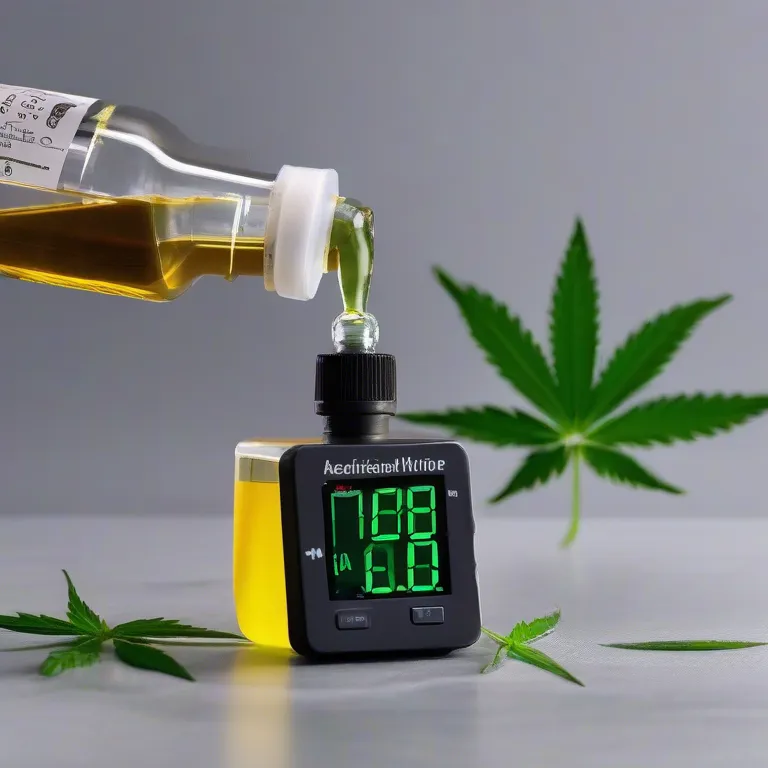
Factors Influencing CBD's Effect on BP (Dose, Form, and Metabolism)
The relationship between CBD and blood pressure (BP) is highly individualized, meaning there is no single answer. Whether CBD raises, lowers, or has a neutral effect on your BP depends on a complex interplay of factors, including the specific dose, the method of consumption, and your unique metabolic profile. Understanding these variables is crucial for setting realistic expectations and optimizing your regimen.
The Critical Role of Dosage and Potency The most important factor is the precise dosage. CBD is not a one-size-fits-all supplement. A 10mg dose may have a vastly different effect than a 100mg dose, and this effect can vary depending on the purity and concentration of the product. Always look for products that clearly state the milligrams (mg) of CBD and, ideally, the amount of other active compounds present. Never assume that "more CBD" automatically means "better results"—always start low and titrate up slowly.
Delivery Method Matters The form in which you consume CBD significantly impacts its bioavailability and how quickly it affects your system. Tinctures and oils are generally absorbed through the mucous membranes and bloodstream, offering relatively quick action. Edibles, on the other hand, are metabolized through the liver, which can lead to a slower, more sustained release. Understanding your preferred absorption rate helps you choose the right delivery system for managing fluctuating BP.
Metabolism and Genetic Variability Your body’s ability to process CBD is governed by your liver enzymes, particularly the cytochrome P450 system. Genetics play a major role here; some individuals are "fast metabolizers," meaning they break down CBD quickly, while others are "slow metabolizers," leading to higher concentrations in the bloodstream. If you are taking other medications, this metabolic interaction is even more critical, as CBD can potentially alter the effectiveness of those drugs.
Considering Synergistic Effects CBD rarely works in isolation. Its effects are often enhanced or modified when combined with other supplements or lifestyle changes. For instance, combining CBD with magnesium or L-arginine—nutrients known to support vascular health—may create a synergistic effect, amplifying the overall benefit for cardiovascular function.
Buying Advice: Because the quality and potency can vary wildly, always prioritize products that undergo third-party testing. Look for Certificate of Analysis (COA) reports to ensure the product contains what it claims and is free from contaminants. When starting out, consult with a healthcare provider who can help you tailor the dose and form to your specific BP needs.
Safety First: Potential Side Effects and Drug Interactions
While CBD is generally considered safe for many people, it is not without potential side effects or risks, especially when used long-term or in high doses. It is crucial to approach CBD with the same caution you would any other supplement or medication.
Understanding Potential Side Effects The most commonly reported side effects of CBD are generally mild and dose-dependent. These can include drowsiness, dizziness, dry mouth, and gastrointestinal upset (such as diarrhea or stomach discomfort). If you experience persistent or severe side effects, it is essential to adjust your dosage or switch to a different delivery method. Always start with the lowest effective dose to gauge your body’s reaction.
The Critical Issue: Drug Interactions The most significant concern with CBD is its potential to interact with prescription medications. CBD is metabolized by the liver enzyme CYP450, meaning it can affect the breakdown rate of other drugs. This interaction can either increase the potency of the other drug (leading to an overdose effect) or decrease its potency (making it ineffective).
Particular attention must be paid to:
- Anti-hypertensives and Diuretics: Since the primary keyword is blood pressure, note that CBD can sometimes affect blood pressure regulation, potentially enhancing or mitigating the effects of prescribed blood pressure medications.
- Blood Thinners (Anticoagulants): CBD may interact with drugs like warfarin, potentially increasing the risk of bleeding.
- Anticonvulsants and Anti-depressants: These drugs are highly sensitive to metabolic changes, making them prime candidates for interaction with CBD.
Consultation is Non-Negotiable Because of this complex interaction profile, CBD should never be used as a standalone treatment without medical oversight. Always inform your healthcare provider and pharmacist about your CBD regimen. They can review your current medication list and advise on necessary adjustments, monitoring, or dosage changes.
Buying Advice for Safety To minimize risk, prioritize quality. When purchasing CBD products, look for brands that provide third-party lab reports (Certificate of Analysis, or COA). These reports confirm the product’s actual CBD content, purity, and ensure it is free from harmful contaminants like heavy metals or pesticides. Never rely solely on the label claims; always verify the product’s quality.
Lifestyle Strategies: Complementing CBD for Optimal BP Management
While CBD can be a valuable adjunct therapy, managing blood pressure (BP) is fundamentally a lifestyle commitment. To maximize the benefits of CBD—whether it’s for anxiety, inflammation, or general wellness—you must build a robust foundation of proven, non-CBD habits. Think of these strategies not as alternatives to CBD, but as essential partners that amplify its effects.
Dietary Adjustments: The Plate Power The most immediate and impactful changes often come from what you eat. Focus heavily on the DASH (Dietary Approaches to Stop Hypertension) eating plan. This isn't just about cutting salt; it’s about increasing potassium, magnesium, and calcium. Prioritize whole foods, leafy greens, berries, and nuts. Crucially, monitor your sodium intake by reading labels diligently, especially on processed snacks, canned soups, and restaurant meals. Swapping out high-sodium condiments for fresh herbs and spices is a simple, powerful change.
Movement and Exercise: Consistency is Key Regular physical activity is one of the most potent, non-pharmacological ways to lower BP. You don't need to run a marathon; consistency is what matters. Aim for a combination of aerobic exercise (like brisk walking, swimming, or cycling) and strength training. Start small—even three 20-minute walks a week can make a significant difference. Incorporating movement into your daily routine, rather than treating it as a separate chore, is the key to long-term success.
Stress Management: The Regulator Chronic stress is a major contributor to elevated BP. Therefore, incorporating daily stress-reduction techniques is non-negotiable. This includes establishing a consistent sleep schedule, practicing deep breathing exercises (like diaphragmatic breathing), and dedicating time to mindfulness or meditation. These practices help regulate the nervous system, which directly impacts cardiovascular health.
The Holistic Approach and Buying Advice Remember that these lifestyle changes are the bedrock of BP management. If you are unsure where to start, focus on one area at a time. Furthermore, always pair your CBD regimen with professional medical monitoring. When selecting CBD products, look for brands that provide third-party lab reports (Certificate of Analysis) to ensure purity and accurate dosing, allowing you to confidently track how the CBD interacts with your overall health plan. Never rely on CBD alone; always consult your primary care physician to ensure your lifestyle changes and CBD use are working together effectively.
FAQ: Does CBD Affect Blood Pressure?
Q: Does CBD raise blood pressure, or does it lower it? The relationship between CBD and blood pressure is complex, and the answer is not universal. For many people, CBD is associated with blood pressure-lowering effects, particularly when used to manage stress and anxiety, which are known contributors to elevated blood pressure. However, some studies suggest that CBD itself can have variable effects. In some cases, it may have a mild hypotensive (blood pressure-lowering) effect, while in others, it might have negligible impact or even cause slight increases. Because individual responses vary widely, it is crucial to monitor your blood pressure closely when starting CBD.
Q: Is CBD safe for people with hypertension? CBD is generally considered safe for most people, but if you are managing hypertension (high blood pressure), you should treat it as a supplement, not a replacement for prescribed medication. Always consult your primary care physician or cardiologist before integrating CBD into your routine. They can help determine if CBD will interact with your existing blood pressure medications or if it will simply enhance their effects.
Q: What factors influence CBD’s effect on blood pressure? The effect of CBD is highly dependent on several factors:
- Dosage: Higher doses may lead to stronger effects.
- Strain/Product: The concentration of CBD, and the presence of other cannabinoids (like CBG or CBN), can change the outcome.
- Absorption: How quickly and effectively your body absorbs the CBD.
- Underlying Condition: The severity of your hypertension plays a role.
Q: How do I choose the right CBD product for blood pressure management? Since the market is vast, quality and consistency are paramount. Look for products that provide third-party lab reports (Certificate of Analysis or COA) to verify the CBD concentration and ensure the absence of heavy metals or contaminants. If blood pressure is your primary concern, consider products that are standardized for their cannabinoid profile and are formulated for optimal bioavailability. Always start with a low dose and gradually work up to find the optimal therapeutic level.
Buying Advice: When purchasing CBD for cardiovascular support, prioritize reputable brands that offer transparency regarding their full spectrum content. If you are taking multiple medications, ask the retailer or brand directly about potential drug interactions.
Final Buying Advice: Choosing the Right CBD Product for Your Heart
When selecting a CBD product specifically for cardiovascular support, the quality and formulation are just as critical as the CBD itself. Since your goal is managing blood pressure and supporting heart health, you cannot treat CBD as a single, monolithic substance. You must approach it as a targeted supplement.
Prioritize Formulation Over Potency Alone Don't simply buy the highest milligram count. Look for products that offer a full spectrum approach. While CBD is beneficial, the synergistic effect of the entire plant profile—including terpenes and minor cannabinoids—is often what provides the most comprehensive benefit. If your primary concern is blood pressure, look for products that are formulated with supporting ingredients, such as magnesium, L-arginine, or CoQ10. These co-ingredients can enhance the cardiovascular benefits and provide a more holistic approach than CBD alone.
Understand Your Delivery Method The best delivery method depends on your lifestyle and how quickly you need results.
- Tinctures/Oils: Offer rapid absorption and are ideal for daily, consistent dosing.
- Edibles: Provide sustained release but can have a delayed onset.
- Topicals: Are best for localized inflammation (e.g., joint pain) and are less effective for systemic issues like blood pressure.
The Non-Negotiable: Quality Assurance Because CBD is often mixed with other compounds, rigorous testing is mandatory. Always choose brands that provide third-party lab reports (Certificate of Analysis, or COA). This report confirms three crucial things:
- Potency: The actual CBD content matches the label.
- Purity: The product is free from heavy metals, pesticides, and residual solvents.
- Adulteration: It confirms that the product is not being diluted with unnecessary fillers.
Actionable Buying Checklist:
- Consultation First: Always use CBD alongside, not instead of, prescribed medication. Discuss your chosen product with your primary care physician.
- Start Low, Go Slow: Begin with a lower dose to gauge your body's response, especially since CBD can interact with blood thinners or blood pressure medications.
- Look for Bioavailability: If you are taking CBD for chronic conditions, consider products that have been shown to enhance bioavailability, ensuring your body is actually absorbing the active ingredients.
By focusing on formulation, quality testing, and consistency, you move beyond simply "taking CBD" and start using it as a precise, supportive tool for your heart health.
Related Posts
- Exploring Cannabidiol’s Role: A Deep Dive into CBD Safety for Cardiovascular Health
- Unlocking the Best CBD Gummies: Your Local and Online Shopping Guide
- The Ultimate Guide to Choosing the Best CBD Gummies: Broad Spectrum vs Full Spectrum
- Unlocking the Green: How Many States Are Legal for CBD?
- Why CBD Gummies Are Kidney-Friendly: A Deep Dive into the Science
