
Understanding the Connection: CBD and Mental Wellness
In today's fast-paced world, anxiety and insomnia are increasingly common, often forming a vicious cycle. Chronic anxiety can keep the mind racing, making it impossible to settle down at night, while poor sleep quality exacerbates anxiety symptoms. This combination—the inability to relax and the inability to rest—is a significant drain on both mental and physical health.
When traditional remedies fall short, it’s often because they treat symptoms rather than addressing the root cause. Many pharmaceutical options are effective, but they can come with side effects, dependency concerns, or require complex dosing schedules. This has led many individuals to seek natural, holistic alternatives that offer a gentler, more comprehensive approach to mental wellness.
This is where cannabidiol (CBD) enters the conversation. CBD is a natural compound derived from the hemp plant. Rather than acting as a simple sedative, CBD is believed to interact with the body's endocannabinoid system (ECS)—a complex network that plays a crucial role in regulating mood, sleep, and stress response. By modulating the ECS, CBD aims to help restore balance, offering a natural pathway to calm the nervous system.
The evidence supporting CBD for sleep and anxiety is growing. Studies suggest that CBD can help reduce generalized anxiety disorder (GAD) symptoms and improve sleep quality, often complementing traditional treatments. For instance, research indicates that consistent CBD use can lower cortisol levels, the primary stress hormone, thereby creating a more conducive environment for restful sleep.
However, it is crucial to approach CBD with realistic expectations. It is not a magic bullet. Its effectiveness varies widely depending on the individual, the severity of the condition, and the product itself.
Buying Advice for Optimal Results: To ensure you are getting the most benefit, look for products that provide transparency. Always check the Certificate of Analysis (COA) to verify the CBD concentration and ensure the product is third-party tested for contaminants. Furthermore, consider the delivery method: tinctures are excellent for consistent dosing, while edibles offer a more immediate, though sometimes delayed, effect. Start low and go slow, adjusting your dosage gradually to find the optimal balance for your unique needs.
The Science Behind CBD: How It Works in the Body
To understand why CBD is effective for sleep and anxiety, you must first understand the body's internal communication network: the Endocannabinoid System (ECS). The ECS is not just a single receptor; it's a complex, ancient system that plays a crucial role in regulating everything from mood and sleep cycles to immune response. Think of it as the body's master regulator.
CBD (cannabidiol) is one of the most studied compounds in this system. Unlike THC, which is often associated with psychoactivity, CBD is known for its ability to interact with multiple receptors across the ECS without causing a "high." Instead, it acts as a modulator, helping to restore balance to the system.
The calming effects of CBD are largely attributed to its interaction with key neurotransmitters. Specifically, it has been shown to support the activity of GABA (gamma-aminobutyric acid) and serotonin. GABA is the primary inhibitory neurotransmitter—it's the brain's natural "brake pedal." When anxiety strikes, the nervous system is often overstimulated; CBD helps amplify the effects of GABA, effectively calming the "noise" and promoting a state of restfulness. Similarly, its influence on serotonin helps stabilize mood.
It is also important to differentiate between the cannabinoids. While CBD is the most popular, other compounds like CBG (cannabigerol) are also present and contribute unique effects. CBG, for instance, is often cited for its potential anti-inflammatory properties, while the overall profile of a product (the "entourage effect") is believed to be just as important as any single compound.
Because the ECS is so complex, the ideal product varies. If your primary goal is deep relaxation, look for products that emphasize high-quality, full-spectrum CBD. If you are struggling with gut health alongside anxiety, look for CBD formulations that include digestive aids. Always check the third-party lab reports to ensure the product is accurately labeled and free of contaminants, as purity is paramount to efficacy.
Choosing the Right CBD Product for Your Symptoms
The most crucial step in using CBD is selecting the format that best suits your specific symptoms and lifestyle. There is no single "best" product, as efficacy depends heavily on how your body absorbs and utilizes the CBD. Understanding the differences between the formats—and how they work—is key to maximizing your results for sleep and anxiety.
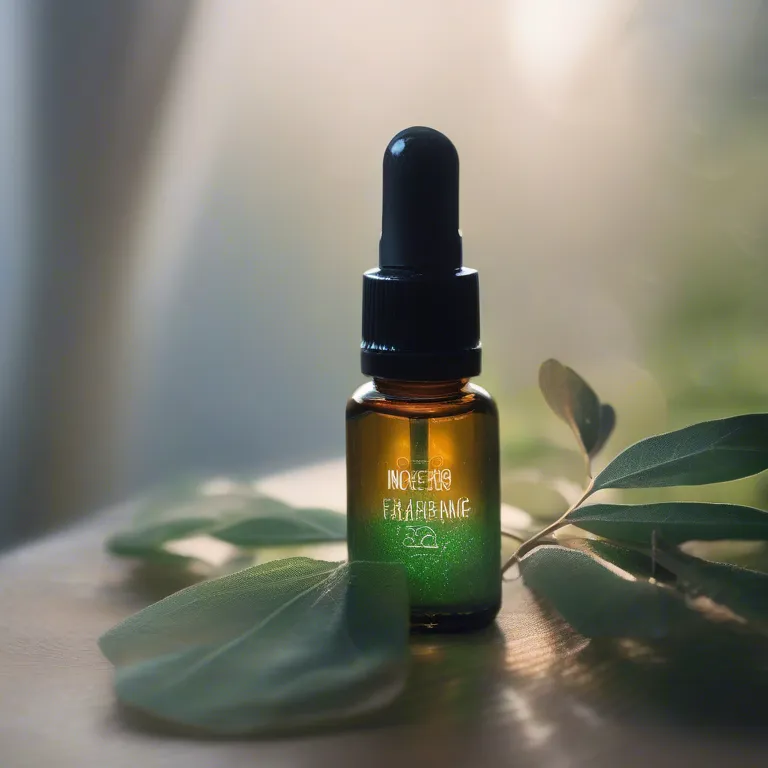
CBD Oils and Tinctures (Sublingual/Under the Tongue): For those experiencing acute anxiety or needing rapid onset, oils and tinctures are often the most direct route. When administered sublingually (under the tongue), the CBD enters the bloodstream quickly, making it ideal for immediate relief. These formats are highly customizable, allowing you to adjust the dosage precisely. They are excellent for routine use, especially if you are tracking your intake closely.
CBD Gummies and Edibles (Oral): Gummies are the most popular choice for convenience and consistency. They are perfect for those who struggle with remembering to take supplements or who prefer a treat. However, because the CBD must pass through the digestive system, the onset of action can be slower than tinctures. This makes them ideal for managing chronic, low-level anxiety or for establishing a consistent nightly routine to promote sleep.
CBD Bath Soak and Topicals (Transdermal): If your anxiety manifests as physical tension or restlessness, bath soaks and creams can be highly beneficial. These products deliver CBD through the skin (transdermally). While they don't provide the immediate systemic boost of an oil, they are excellent for promoting deep relaxation and improving sleep quality by addressing physical tension points.
Buying Advice: Matching Format to Need
- For Quick Relief (Anxiety): Start with a sublingual tincture.
- For Routine/Sleep: Opt for gummies or edibles for consistent, predictable dosing.
- For Physical Tension: Incorporate bath soaks or creams.
Always check the product label for the concentration (mg) and the ratio of CBD to other cannabinoids (like CBG or CBN), as these variations can significantly impact the intended effect for sleep and anxiety. If you are unsure, start with a lower dose and work your way up.
Optimizing Your Routine: Dosage, Timing, and Lifestyle
The effectiveness of CBD for sleep and anxiety is highly individualized, meaning there is no single "magic dose." Optimizing your routine requires treating CBD as one component of a holistic strategy. Start by following the principle of "start low and go slow." Begin with a lower dose than you think you need, and gradually increase it over several days until you find the point of diminishing returns or the optimal level of relief.
Timing is equally crucial. For anxiety, many people find that taking a dose 30 to 60 minutes before a known trigger—such as a stressful meeting or evening wind-down—is most effective. For sleep, consistency is key; taking the CBD dose 45 minutes to an hour before your intended bedtime allows the compound time to reach peak efficacy.
Beyond the supplement itself, optimizing your lifestyle is non-negotiable. For anxiety, incorporating daily mindfulness practices, deep breathing exercises, or gentle movement (like yoga) can reduce baseline stress, making the CBD work more efficiently. For sleep, focus on strict sleep hygiene: keep your bedroom cool, dark, and reserved only for sleep and intimacy. Avoid screens and blue light for at least an hour before bed.
When selecting your product, the quality dictates the routine's success. Do not rely solely on the brand's claims. Always check for third-party lab reports to verify the CBD concentration and ensure the product is free of heavy metals and unwanted additives. Furthermore, consider the delivery method; tinctures are excellent for quick absorption, while edibles offer a more sustained, predictable release. If you are buying a product, prioritize brands that offer clear, standardized dosing information and comprehensive testing documentation.
Safety, Side Effects, and Drug Interactions
When considering CBD for sleep and anxiety, the most important step is prioritizing safety. While CBD is generally well-tolerated, it is not a magic bullet, and understanding its potential side effects and interactions is crucial for effective use.
Understanding Potential Side Effects The most commonly reported side effects of CBD are mild and often dose-dependent. These can include drowsiness, dry mouth, gastrointestinal upset, and fatigue. Because CBD can interact with the body’s endocannabinoid system, it is vital to start with a low dose and gradually work your way up. This "start low and go slow" approach allows your body time to adjust, helping you pinpoint the optimal therapeutic dose while minimizing adverse effects. Always monitor how you feel, especially when first starting out.
The Critical Issue: Drug Interactions The most significant concern with CBD is its potential to interact with prescription medications. CBD is metabolized by the liver enzyme system (specifically the CYP450 enzymes), meaning it can affect the breakdown rate of other drugs. This can lead to either increased potency (making the drug stronger) or decreased potency (making the drug less effective).
If you are taking medications for blood pressure, heart conditions, anti-depressants, or blood thinners, you must consult your healthcare provider. Never assume CBD is safe simply because it is natural; its interaction profile can be complex.
Quality and Buying Advice Because the CBD market is vast, product quality is highly variable. To ensure you are getting a safe and effective product, always look for brands that provide third-party lab reports (Certificate of Analysis, or COA). These reports confirm the product's actual CBD concentration, verify the absence of heavy metals, and ensure it is free from contaminants like pesticides or residual solvents. Furthermore, check the ratio of CBD to other cannabinoids (like CBG or CBN), as the overall profile can impact the desired effect.
By being proactive about your dosage, communicating with your doctor, and choosing high-quality, tested products, you can maximize the benefits of CBD while minimizing risks.
FAQ: Quick Answers on CBD Use
Is CBD safe for long-term use for anxiety and sleep? For most people, CBD is considered safe when used appropriately. However, "safe" does not mean "risk-free." Because CBD can interact with various medications (especially those metabolized by the liver), it is crucial to consult with your primary care physician or a specialist first. They can monitor your existing conditions and ensure the CBD dosage won't interfere with your prescribed medications. Always start with the lowest effective dose and gradually work up to find your optimal level.
How quickly does CBD work for anxiety and insomnia? The onset time varies significantly based on the delivery method and the individual. Tinctures and oils are generally absorbed relatively quickly, often showing effects within 30 minutes to an hour. For deeper, more sustained effects, some users find that edibles or bath products are beneficial. Consistency is key; many experts recommend taking CBD daily, even if you feel better after the first week, to maintain stable levels in your system.
What is the best way to take CBD for sleep? There is no single "best" way, as individual absorption rates vary. For sleep, many people find success with options that promote relaxation, such as CBD gummies, nighttime bath salts, or sublingual oils taken 30 to 60 minutes before bedtime. If you are prone to anxiety, a higher dose taken earlier in the day might be better for managing daytime symptoms, while a smaller dose at night helps with sleep initiation.
How do I know if the CBD product I buy is high quality? Quality is paramount, especially when treating mental health conditions. Always look for products that provide third-party lab reports (Certificate of Analysis, or COA). These reports confirm the product's potency, verify the CBD concentration, and, most importantly, test for contaminants like heavy metals, pesticides, and residual solvents. Never buy a product without verifiable lab testing.
Can CBD interact with other medications? Yes, this is the most critical question. CBD is metabolized by the liver enzyme CYP450, meaning it can affect how your body processes other drugs. It can potentially increase or decrease the effectiveness of medications for blood thinners, anti-depressants, and heart medications. Always keep a detailed list of all your medications and discuss them with your healthcare provider when starting CBD.
Final Buying Advice: Choosing Your Perfect CBD Stack
The sheer variety of CBD products can make the purchasing process overwhelming. Instead of looking for a single "magic bullet," approach your purchase by understanding your specific needs and the science behind the product format. Choosing the right CBD stack is less about the brand and more about matching the product to your lifestyle and desired outcome.
1. Start with the Dose, Not the Potency. The most common mistake is buying the highest milligram count available. For managing anxiety and improving sleep, consistency and gradual dosing are key. Always start with a lower dose than you think you need. This allows your body to acclimate to the CBD, helping you identify the optimal therapeutic window without risking over-sedation or digestive upset. If you are unsure, look for products that offer adjustable dosing or are designed for beginners.
2. Match the Format to the Function. Different delivery methods work best for different goals.
- Tinctures/Oils: These are excellent for immediate, measurable absorption and are ideal for routine dosing (e.g., taking a dose right before bed).
- Edibles/Gummies: These provide a slower, sustained release of CBD, making them great for managing background anxiety throughout the day.
- Topicals: If your anxiety manifests physically (e.g., tense shoulders), creams and balms can provide localized relief.
3. Prioritize Transparency and Purity. When buying CBD, always treat it like any supplement: verify its contents. Look for brands that provide third-party lab reports. These reports confirm that the product is not only accurately labeled (meaning the mg count matches the claim) but also free from contaminants like heavy metals, pesticides, and excessive THC. This level of transparency is non-negotiable for reliable results.
4. Consider the Full Spectrum. While isolate CBD is pure, many users find better results with full-spectrum products. These contain not only CBD but also other beneficial cannabinoids (like CBG and CBN) and terpenes. These compounds are believed to work synergistically, enhancing the overall effect—a concept known as the "entourage effect."
Ultimately, the perfect stack is the one that is consistent, transparent, and tailored to your unique body chemistry. Don't just buy the most expensive bottle; buy the product that makes the most sense for your daily routine.
Related Posts
- Unlocking the Power of CBD: A Comprehensive Guide to Direct Online Reviews and Hemp Products
- Unlocking the Best CBD Gummies: Your Local and Online Shopping Guide
- Restful Nights: How Calm & Sleep Gummies Can Transform Your Sleep Routine
- Unlock the Benefits: Diving into 500mg CBD Product Options
- Unlocking the Power of Sera Relief: The Benefits and Science Behind CBD Gummies
