
Cannabinoids creams are topical formulations designed for localized application, meaning they are applied directly to the skin—such as the joints, muscles, or scalp—rather than being swallowed. These creams deliver cannabinoids, most commonly cannabidiol (CBD) and sometimes tetrahydrocannabinol (THC), directly to the area of concern. Unlike consuming cannabis through edibles or vaping, the goal of topical application is to provide targeted relief for specific symptoms, such as inflammation, muscle soreness, or anxiety.
To understand how these creams work, it is essential to understand the body's Endocannabinoid System (ECS). The ECS is a complex network of receptors found throughout the body that plays a crucial role in maintaining balance (homeostasis). Cannabinoids, whether derived from the cannabis plant or synthesized, interact with these receptors—specifically CB1 and CB2—to modulate various bodily functions. When applied topically, the cannabinoids penetrate the skin and interact with the local ECS receptors, providing a localized calming or anti-inflammatory effect.
A key benefit of topical creams is the method of absorption. When you ingest cannabinoids orally, they must pass through the liver, which can affect their bioavailability and overall systemic effect. In contrast, transdermal absorption—the process of the cream penetrating the skin—allows the cannabinoids to bypass some of the digestive system's metabolic processes. This means the active ingredients are delivered directly to the site of application, often resulting in a more immediate and localized effect.
When choosing a cream, consider the specific symptoms you are treating. Some formulations are better suited for deep muscle pain, while others are formulated for superficial skin irritation. Always check the concentration of the active ingredients (measured in milligrams) and the carrier oils, as these determine the cream's potency and absorption rate. For optimal results, apply the cream to clean, dry skin and follow the manufacturer's recommended usage frequency. If you are managing multiple conditions, consult a healthcare provider to determine if a cream is appropriate, or if an oral supplement would be more effective.
CBD vs. THC vs. Full-Spectrum: Choosing the Right Formulation
When selecting a cannabinoid cream, the most critical decision is understanding what you are actually putting on your skin. The market is saturated with options, and the differences between CBD, THC, and full-spectrum formulations can be confusing. To make an informed choice, it is essential to understand the unique profile and intended effects of each type.
CBD (Cannabidiol): The Calming Option CBD is perhaps the most popular entry point into the cannabinoid world. It is renowned for its non-psychoactive nature, meaning it provides therapeutic benefits without the "high" associated with marijuana. If your primary goal is to manage anxiety, reduce inflammation, or promote general relaxation without feeling altered, CBD-dominant creams are usually the best choice. They are ideal for daily, consistent use.
THC (Tetrahydrocannabinol): The High-Potency Option THC is the primary psychoactive compound in cannabis. If your goal is to achieve a noticeable "high," or if you are using the cream for acute pain relief where euphoria is desired, THC-dominant formulations are necessary. Be aware that the potency of THC can vary widely, so always check the concentration listed on the label.
Full-Spectrum: The Holistic Approach Full-spectrum creams are designed to mimic the entire plant experience. Instead of focusing on just one cannabinoid, these products contain a blend of multiple compounds, including CBD, THC, and various minor cannabinoids (like CBG and CBN). This synergy is often cited as the "entourage effect," suggesting that the combination of compounds works together to enhance the overall therapeutic benefit. If you are unsure which single cannabinoid is best for your specific ailment, a full-spectrum blend is often the most comprehensive starting point.
Buying Advice: Matching Formulation to Need To simplify your decision, ask yourself:
- Do I need relaxation without a high? Choose CBD-dominant.
- Do I need a noticeable "high"? Choose THC-dominant.
- Do I want the broadest possible therapeutic effect? Choose full-spectrum.
Always check the product label for the exact ratio of cannabinoids, as this ratio dictates the cream's overall effect. If you are new to cannabinoids, starting with a full-spectrum cream or a balanced CBD/THC blend is often the safest and most effective way to gauge your body's response.
Addressing Specific Needs: Which Cream for Which Symptom?
The effectiveness of a cannabinoids cream is highly dependent on the specific condition you are treating. Since the body’s response to cannabinoids is complex, understanding which ingredients target which symptoms is crucial for maximizing relief. Instead of buying a general-purpose cream, focus on the cream’s formulation to match your primary need.
For Chronic Pain and Inflammation: If your main concern is localized pain, such as arthritis or muscle soreness, look for creams that combine cannabinoids (like CBD) with natural anti-inflammatories. Ingredients like turmeric, arnica, and ginger are excellent additions because they work synergistically with the cannabinoids to reduce swelling and promote circulation. These formulations are designed for deep penetration, meaning they need a robust carrier oil (like coconut or jojoba) to reach the deeper tissues.
For Anxiety and Restlessness: When the goal is calming the nervous system, the focus shifts away from deep pain relief and toward relaxation. In this case, look for creams that incorporate cannabinoids known for their sedative properties, such as CBN (cannabinol). These formulations are often paired with calming botanicals like lavender or chamomile, making them ideal for nighttime application or use in high-stress environments.
For Muscle Tension and Joint Stiffness: For acute muscle tension, the cream needs to deliver a potent, localized dose. Here, the ratio of CBD to other active ingredients matters. Since muscle tension can be related to nerve inflammation, choosing a cream with a higher concentration of CBD, coupled with warming agents like capsaicin, can help promote blood flow and ease stiffness.
Buying Advice: Matching Product to Need When shopping, don't just look at the cannabinoid percentage. Ask yourself:
- What is my primary goal? (Pain, calm, or stiffness?)
- What is the carrier oil? (Jojoba and coconut are common; they affect absorption.)
- What is the ratio? (A cream for pain might need more anti-inflammatories, while a cream for anxiety needs more calming agents.)
Always start with a lower concentration and gradually increase the dosage until you find the optimal balance for your specific symptoms.
How to Maximize Absorption and Usage Best Practices
To get the most out of a cannabinoids cream, understanding how the product interacts with your skin is crucial. Unlike edibles, which are metabolized through the liver, topical creams deliver cannabinoids directly into the bloodstream via the skin, making absorption rate and skin health the primary factors in efficacy.
Optimizing Application Technique The first step is proper application. Never treat the cream like a simple moisturizer. Apply a thin, even layer directly to the target area—whether that’s the joints, scalp, or muscle—and gently massage it in. The goal is not just to cover the area, but to ensure the active ingredients make contact with the deepest layers of the epidermis. For maximum effect, apply the cream to clean, dry skin, as residue from soaps or lotions can inhibit absorption.
Enhancing Bioavailability Absorption is significantly enhanced by the cream’s formulation and your technique. Many high-quality creams are already mixed with natural carrier oils (like coconut, jojoba, or shea butter) because these oils act as penetration enhancers. If your cream is water-based, consider pairing it with a complementary oil to boost the delivery system. Furthermore, applying the cream and then performing deep, circular massage for several minutes helps stimulate blood flow, which naturally increases the rate at which the cannabinoids are absorbed into the underlying tissues.
Understanding Product Quality and Formulation When selecting a cream, don't just look at the cannabinoid percentage. Pay close attention to the full ingredient list. A superior product will clearly list its carrier oils and any additional bioavailability enhancers. If the cream is formulated with ingredients like capsaicin or menthol, these components are often included specifically to boost the feeling of warmth and increase the skin's permeability, thereby maximizing the absorption of the cannabinoids.
Finally, consistency is key. For noticeable results, use the cream regularly, rather than just treating it as an occasional remedy. By following these practical steps—proper application, enhancing the delivery system, and choosing a well-formulated product—you can significantly maximize the therapeutic benefits of your cannabinoids cream.
Safety, Side Effects, and Quality Checks
When considering cannabinoids cream, the primary concern is not just efficacy, but safety. Because these products are applied topically, they generally offer a localized and often gentler experience compared to ingesting oils or vaping. However, safety is not guaranteed by the label alone; it requires understanding the product's composition and how your body reacts to it.
Understanding Potential Side Effects Most people tolerate high-quality cannabis creams well, but side effects can vary based on the specific cannabinoids used (such as CBD, THC, or CBG), the carrier oils, and the concentration. Common issues include localized skin irritation, redness, or itching, especially if you have sensitive skin or are allergic to the base ingredients (like coconut oil or shea butter). Always perform a patch test on a small, inconspicuous area of skin before applying the cream widely to gauge your individual reaction.
The Critical Importance of Quality Checks The biggest pitfall in the cannabinoid market is inconsistent quality. To ensure you are getting what you pay for, you must look beyond the marketing claims. A reputable product should undergo rigorous testing. Key quality checks include:
- Potency and Consistency: The product must deliver the stated amount of cannabinoids.
- Purity: It should be tested for contaminants, including heavy metals, pesticides, and residual solvents.
- Third-Party Lab Reports: This is non-negotiable. Always ask the manufacturer for recent Certificate of Analysis (COA) reports from independent, accredited laboratories. These reports provide verifiable proof of the product's contents and purity.
Buying Advice for Peace of Mind When selecting a cream, prioritize transparency. Look for brands that are open about their sourcing, testing methods, and full ingredient lists. If a brand is vague about its testing or uses proprietary blends without disclosing the exact ratios, proceed with caution. By focusing on third-party verification and understanding your skin's needs, you can maximize the benefits of cannabinoids cream while minimizing the risks.
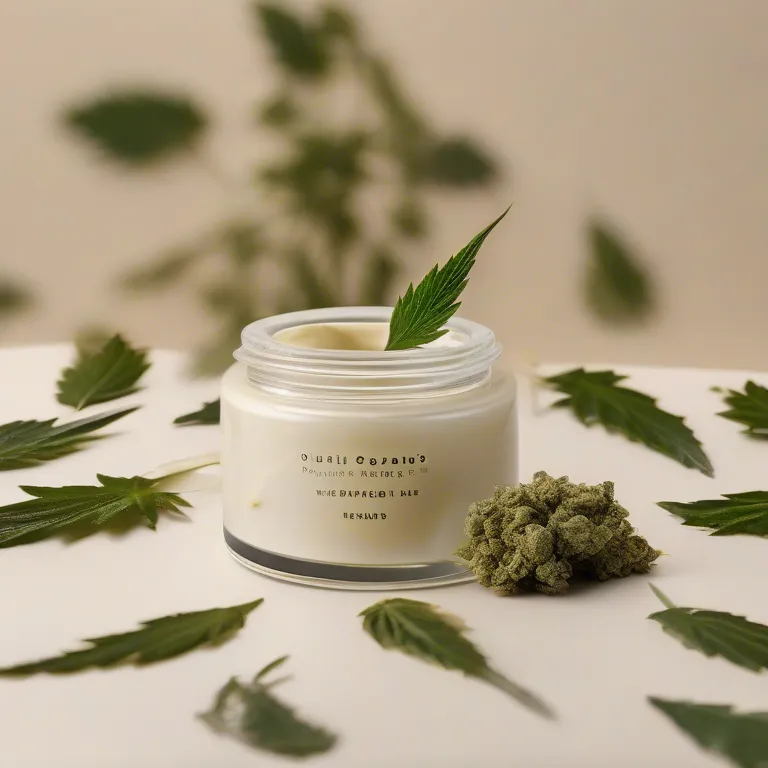
Top Brands and Buying Checklist: Finding Your Perfect Cream
The market for cannabinoids creams is vast, ranging from simple CBD balms to highly potent, full-spectrum formulations. Because the efficacy of these products depends heavily on their specific ingredients and concentrations, simply choosing a "popular" brand isn't enough. To find the cream that genuinely meets your needs, you must compare brands based on their core components and understand what you are paying for.
Comparing the Contenders: What to Look For
When comparing brands, don't just look at the price. Instead, evaluate the following three areas:
- Cannabinoid Profile: Are you aiming for relaxation (CBD-dominant), pain relief (often requiring higher concentrations), or a full therapeutic effect (full-spectrum)? Some brands specialize in specific ratios (e.g., 2:1 CBD:THC), while others offer pure, single-source cannabinoids. Knowing your desired ratio is the most critical starting point.
- Carrier Oils and Excipients: The base of the cream matters. Brands using natural, penetrating oils (like jojoba or coconut oil) are often better for skin absorption than those using heavy, occlusive bases. Always check the ingredient list for potential irritants or allergens.
- Potency and Delivery System: Some creams are designed for topical absorption (meaning the cannabinoids are absorbed through the skin), while others are simply moisturizing balms that contain cannabinoids. The brand's description must clarify the intended delivery method to set realistic expectations.
Your Essential Buying Checklist
To cut through the marketing hype, use this checklist before making a purchase:
- Third-Party Lab Testing: This is non-negotiable. Always verify that the brand provides Certificates of Analysis (COAs) from independent labs. This confirms the product contains what it claims and that it is free of heavy metals, pesticides, and unwanted fillers.
- Bioavailability: Ask yourself: Is this cream meant to be absorbed systemically, or just applied topically? The brand should ideally provide data or expert advice on the expected absorption rate for the specific area of application.
- Dosage Clarity: The cream should clearly state the concentration (mg) per gram or per application. Avoid brands that use vague terms like "high potency" without providing measurable numbers.
- Legal Compliance: If you are purchasing THC-infused creams, ensure the brand clearly states the legal potency limits for your region.
By focusing on these objective criteria—rather than just brand recognition—you can make an informed decision and significantly increase your chances of finding a cream that delivers measurable results.
Frequently Asked Questions (FAQ)
Q: How do cannabinoids creams work, and what are they best for? Cannabinoids creams are topical formulations that deliver cannabinoids (such as CBD, THC, or a blend) directly into the skin. Unlike edibles or tinctures, which are absorbed systemically, creams are designed to provide localized relief. They work by interacting with the body's endocannabinoid system (ECS) in the targeted area. They are most commonly used for localized discomfort, such as muscle soreness, joint pain, inflammation, and skin irritations. The cream provides a concentrated dose right where you need it, making them an excellent non-ingestible option for daily management.
Q: How long does it take to feel the effects of a cannabinoids cream? The onset of effects is generally faster than oral consumption, but it varies based on the cream's formulation, the depth of the application, and individual metabolism. Most users report feeling the effects within 15 to 60 minutes. The duration of action typically lasts as long as the cream remains applied, often requiring reapplication as needed.
Q: Are cannabinoids creams safe for long-term use? For most people, cannabinoids creams are very safe for long-term use, especially when used as directed. However, it is crucial to monitor for skin irritation, redness, or allergic reactions. Always perform a patch test on a small area of skin before committing to full-body application. If you are taking other medications, consult your doctor to ensure there are no potential interactions.
Q: What should I look for when buying a good quality cream? When shopping, prioritize transparency and purity. Look for products that clearly list the concentration of the active ingredients (e.g., 100mg CBD). Always check for third-party lab reports (Certificate of Analysis or COA) to verify the potency, purity, and absence of contaminants like heavy metals or pesticides. Additionally, consider the vehicle—some creams are better for deep penetration than others.
Q: Can I use cannabinoids creams for more than one ailment? Yes, many people use them for multiple issues, but it is best to start with a single, primary concern. If you are treating several different areas, it is wise to use separate applications or to consult your healthcare provider to ensure the total dosage is appropriate for your body weight and overall health goals.
Final Buying Advice: Making the Right Choice
Making the decision to incorporate cannabinoids cream into your routine can feel overwhelming, given the sheer volume of products and claims available. To ensure you get the most value and efficacy from your purchase, approach the buying process with a critical, informed mindset. Remember that the best cream is the one that is tailored specifically to your needs, not just the most heavily marketed one.
When evaluating potential products, focus on three key areas: potency, purity, and formulation. First, always check the dosage and concentration. Since absorption rates vary greatly depending on the skin area and individual metabolism, understanding the milligram strength of the active ingredients is non-negotiable. Second, look for third-party lab testing reports. A reputable brand will provide Certificates of Analysis (COAs) that verify the product contains what it claims, and that it is free from heavy metals, pesticides, and unwanted fillers. This is perhaps the most crucial step in ensuring product integrity.
Beyond the active cannabinoids, consider the carrier oils and supporting ingredients. Are they designed for deep penetration, or are they simply moisturizing? Some creams are formulated with synergistic ingredients (like terpenes or CBD esters) that are known to enhance the bioavailability of the cannabinoids, making the cream more effective than just the raw cannabinoid content alone.
Crucially, manage your expectations. Cannabinoids cream is a topical aid, not a magic bullet. It is excellent for localized discomfort, inflammation, and promoting relaxation in specific areas, but it is not a replacement for addressing underlying medical conditions. Start by treating the cream as a supportive therapy.
To make the final choice, we recommend a tiered approach. If you are new to the product, start with a lower-dose, smaller-format cream to test your personal sensitivity and absorption rate. If you are dealing with chronic or complex issues, do not rely solely on the cream; consult with a healthcare provider or a certified herbalist. They can help you determine if the cream should be used alongside other treatments, such as oral tinctures or dietary changes.
Ultimately, the perfect cannabinoids cream is the one that is transparently sourced, accurately dosed, and aligns with your specific therapeutic goals. By prioritizing quality metrics over marketing hype, you significantly increase your chances of finding a product that genuinely improves your quality of life.
Related Posts
- Unlocking the Power of Beyond Gummies: A Comprehensive Guide to Enhanced Wellness with BZSLS
- Unlocking the Potential: A Comprehensive Guide to Cannabidiol in the UK Market
- Unlocking the Power of CVS Men's Multivitamin Gummies: A Comprehensive Guide to Boosting Health and Wellness
- Unlocking Wellness: Khonsu CBD Gummies – A Comprehensive Guide to Benefits, Reviews, and Where to Buy
